No one can afford downtime. Fortunately, much of your drives' costly maintenance can be avoided.
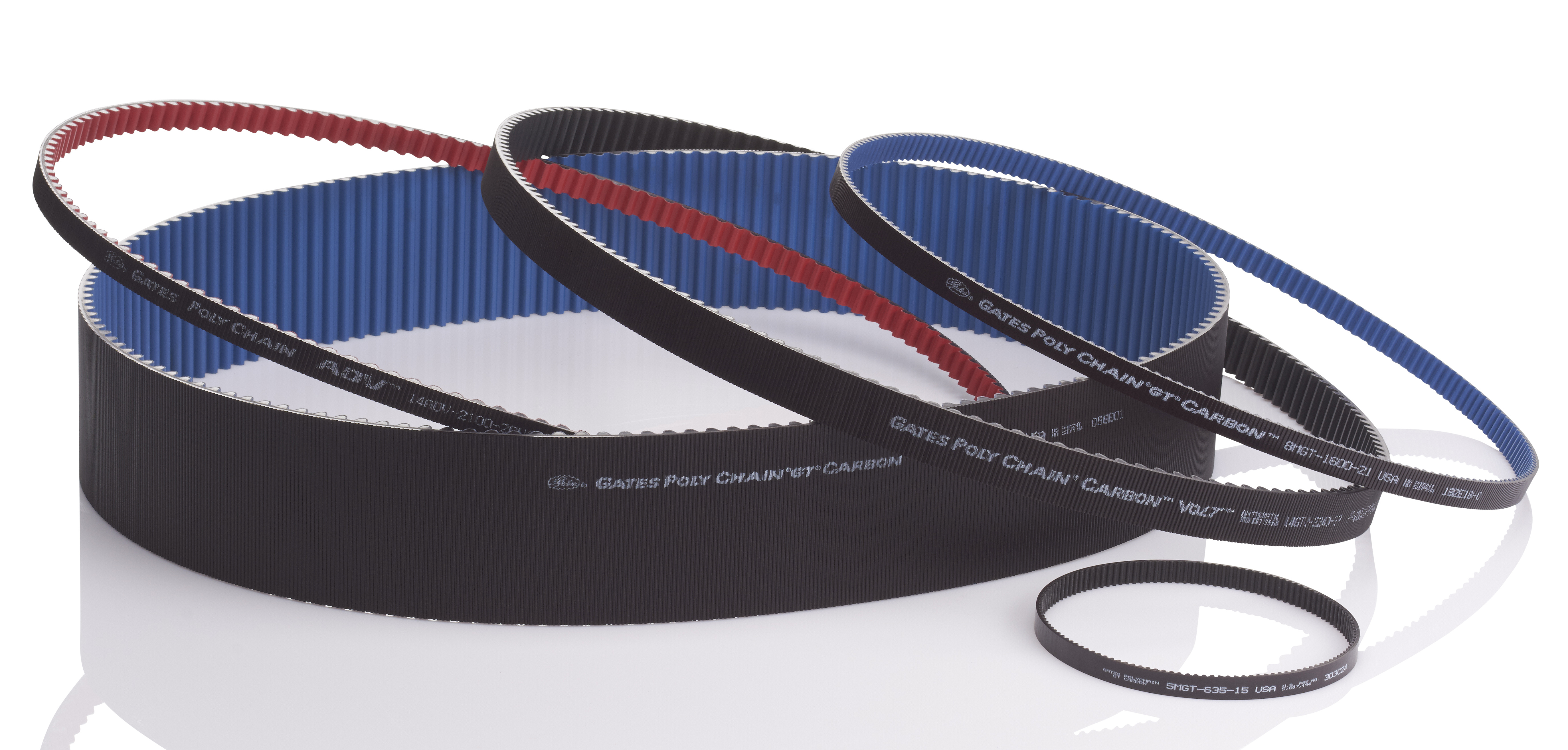
If you're replacing the belts on your drives as often as twice per year, ask yourself why. Each time a belt breaks, don't just replace and discard it. Ignoring the underlying cause results in ever-decreasing performance and costly belt replacement. And not only are you wasting money, you're also squandering maintenance time.
The culprit could be misalignment, an under-designed drive, an incorrect belt-to-sheave fit, or maybe even old metal components. Sheaves and sprockets that haven't been replaced in more than eight years are beyond their useful life. To identify causes of failure and find recommendations on corrective measures, download the Synchronous Belt Failure Analysis Guide or the V-Belt Failure Analysis Guide.
Keep these tips in mind to help decide if it's time to replace your drive's parts:
To receive a weekly Belt Tip from Gates, sign up today. And visit our Belt Preventive Maintenance website for more free resources.
Gates engineers help diagnose your belt failure issues and provide assistance on replacing metal components or complete drive systems. Contact us to get started.
Download our Synchronous Belt Failure Analysis Guide for help with identifying why your belt failed and how to correct the problem.
Download this reference for clear descriptions of proper belt installation and maintenance.
Receive a free poster that helps you troubleshoot the cause of a failed belt, from tensile breaks to abnormal belt wear.