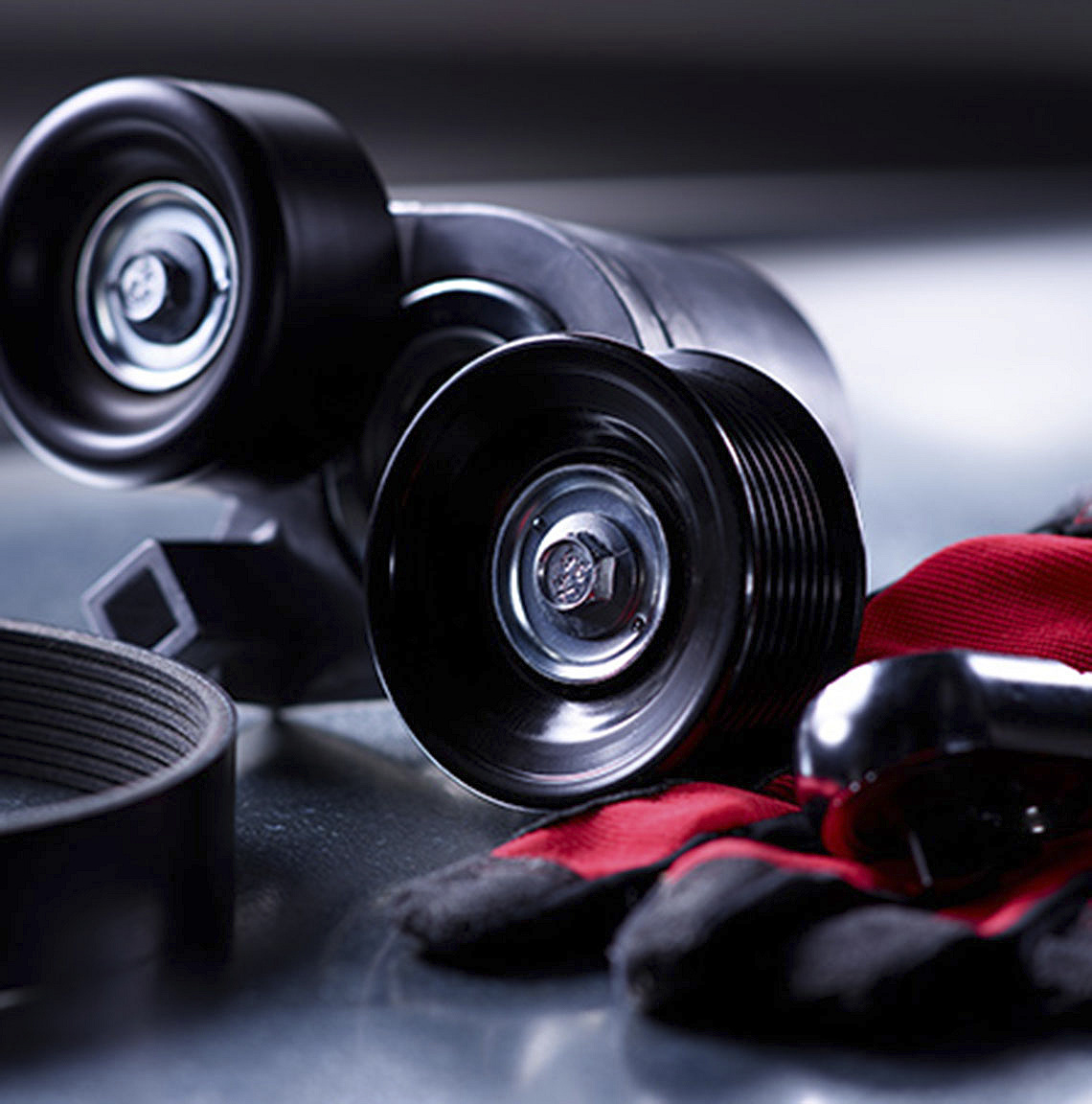
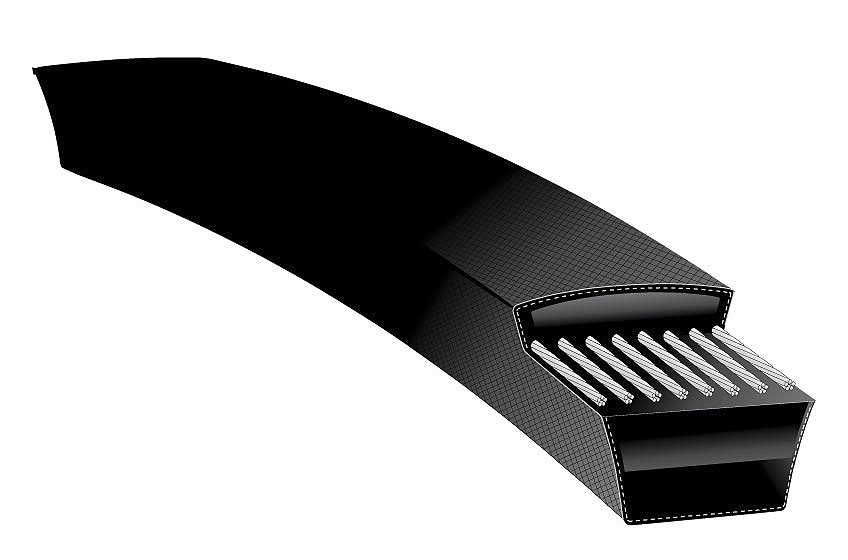
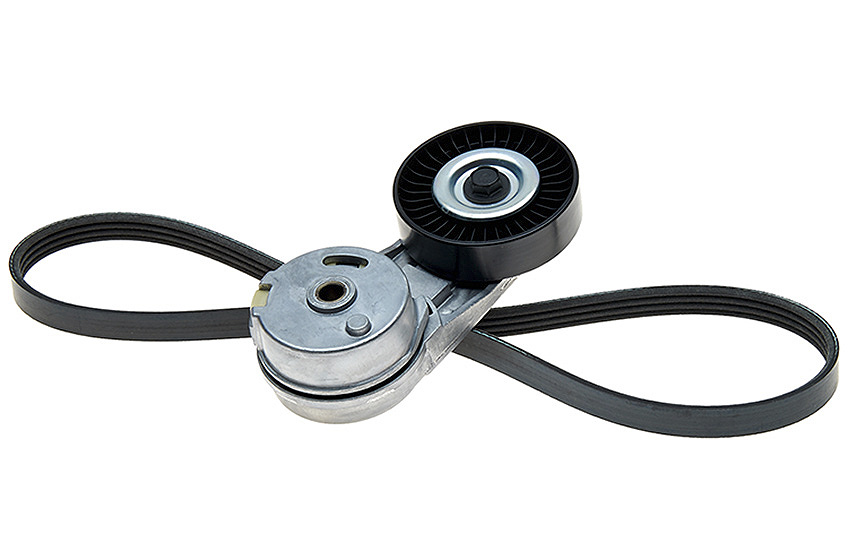
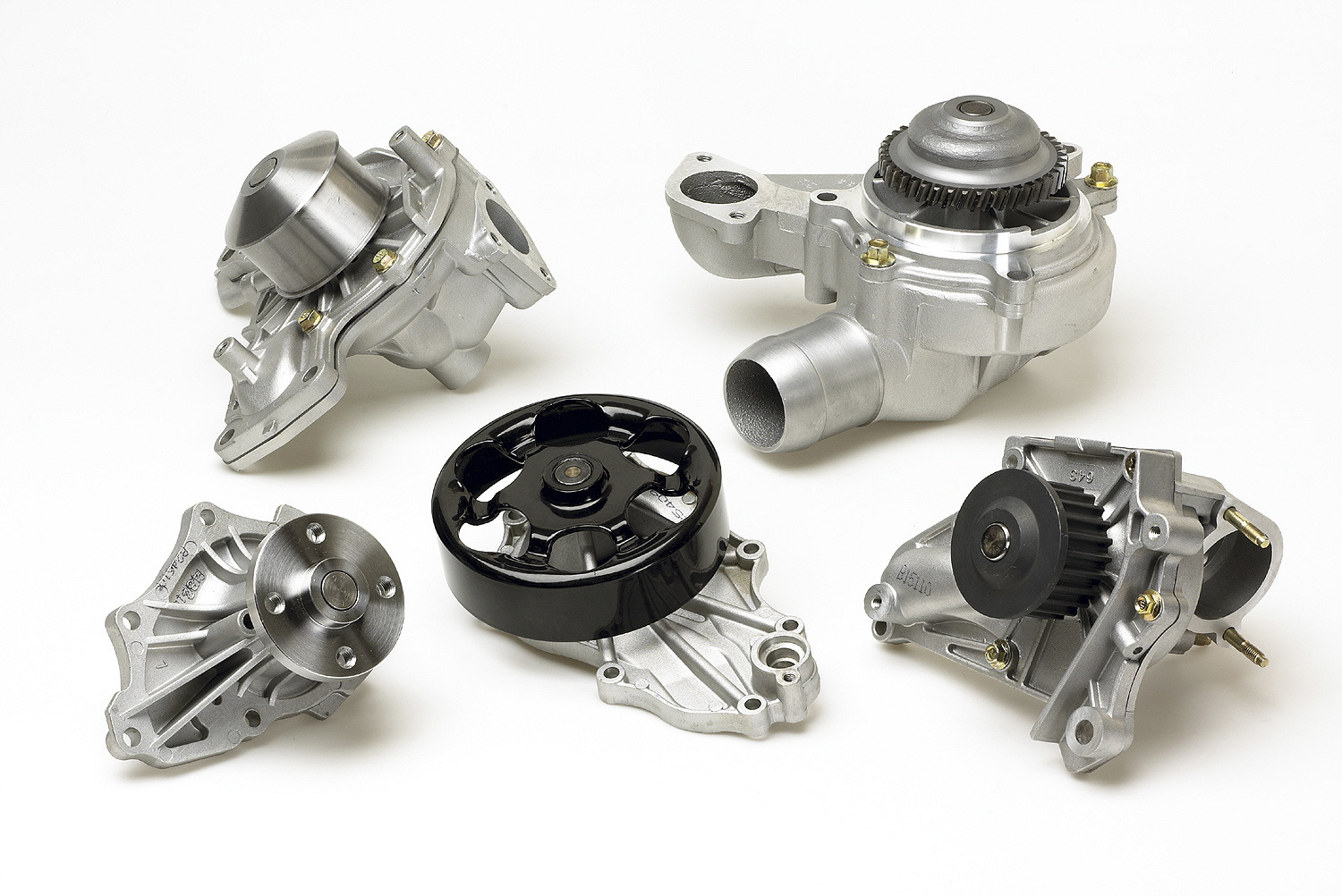
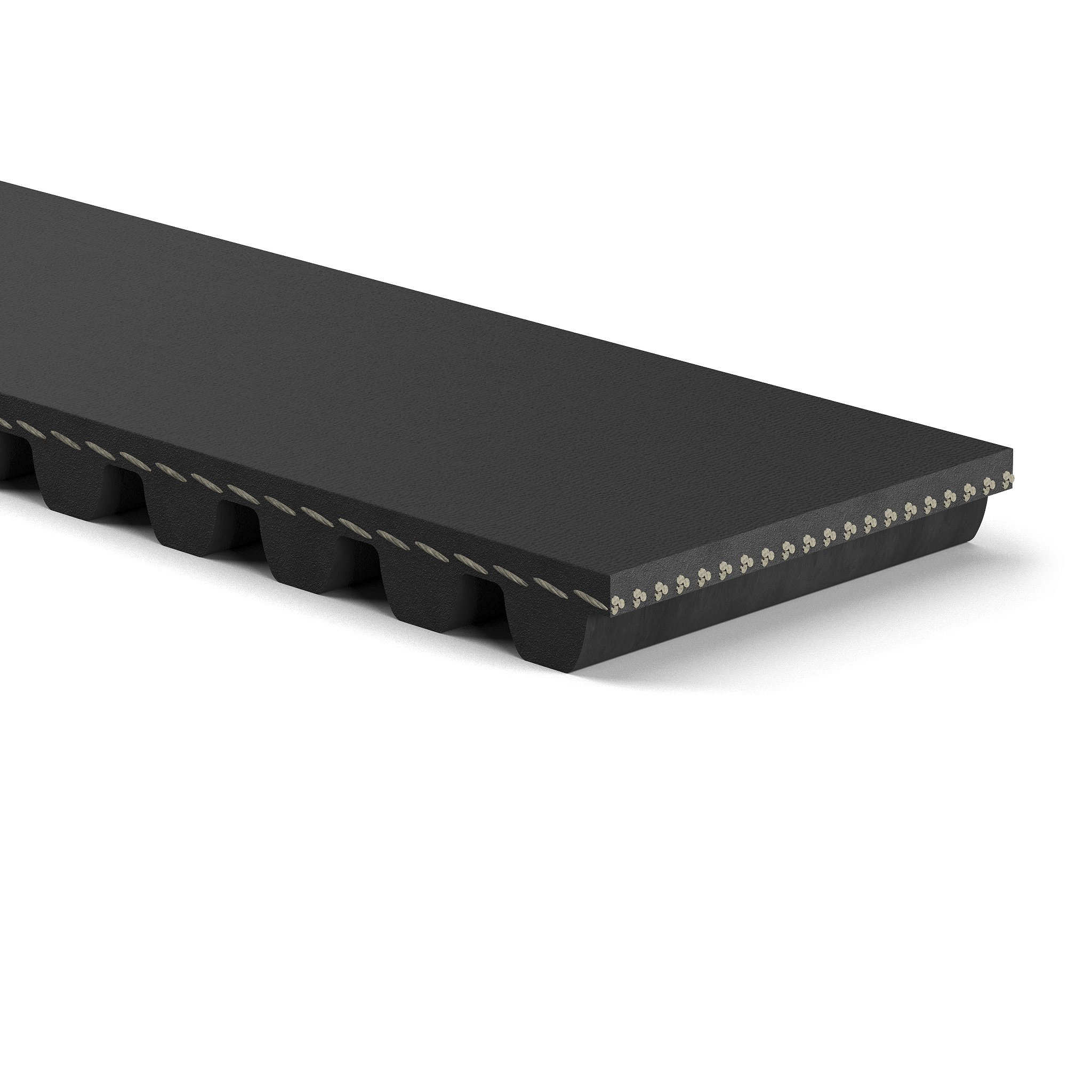
The informed technician needs to consider belt performance issues every time an accessory belt drive system component is replaced.
As little as 5% rib material loss and surface wear can affect how the belt performs, and just 10% belt slippage can affect the overall drivability of a vehicle. Slip could reduce alternator output effecting system performance particularly on very cold days when system charging and other factors may compromise performance.
The graph below shows the effect on the system when a new alternator is installed with an old belt and tensioner. By only changing one of the system components, system vibration increases dramatically. This vibration can be felt or heard, resulting in customer complaints. Performance of the new component can also be compromised resulting in additional cost to re-diagnose and repair the problem.
Accessory Drive Vibration with New/Worn Parts

Arm vibration is minimized with a new alternator, belt, and tensioner
After 150,000 miles the worn alternator, belt, and tensioner cause
increased vibration
When replacing an alternator without replacing the belt and tensioner, arm vibration is increased as the worn belt and tensioner do not dampen the new component effectivelyToday, the components with the system are very closely integrated, and each relies on the belt to keep the entire system at optimum performance. Technicians need to remember to check every component in the system to ensure the integrity of the system is not compromised by one or more failing or worn components. It is wise to replace the belt when replacing any system component to maintain performance.